

How to apply for an apartment in New York City
The documents landlords ask for, the income guideline they use, and how to have a complete application ready before you tour.
What the 2019 tenant protection law means for renewals, rent increases and getting your security deposit back.
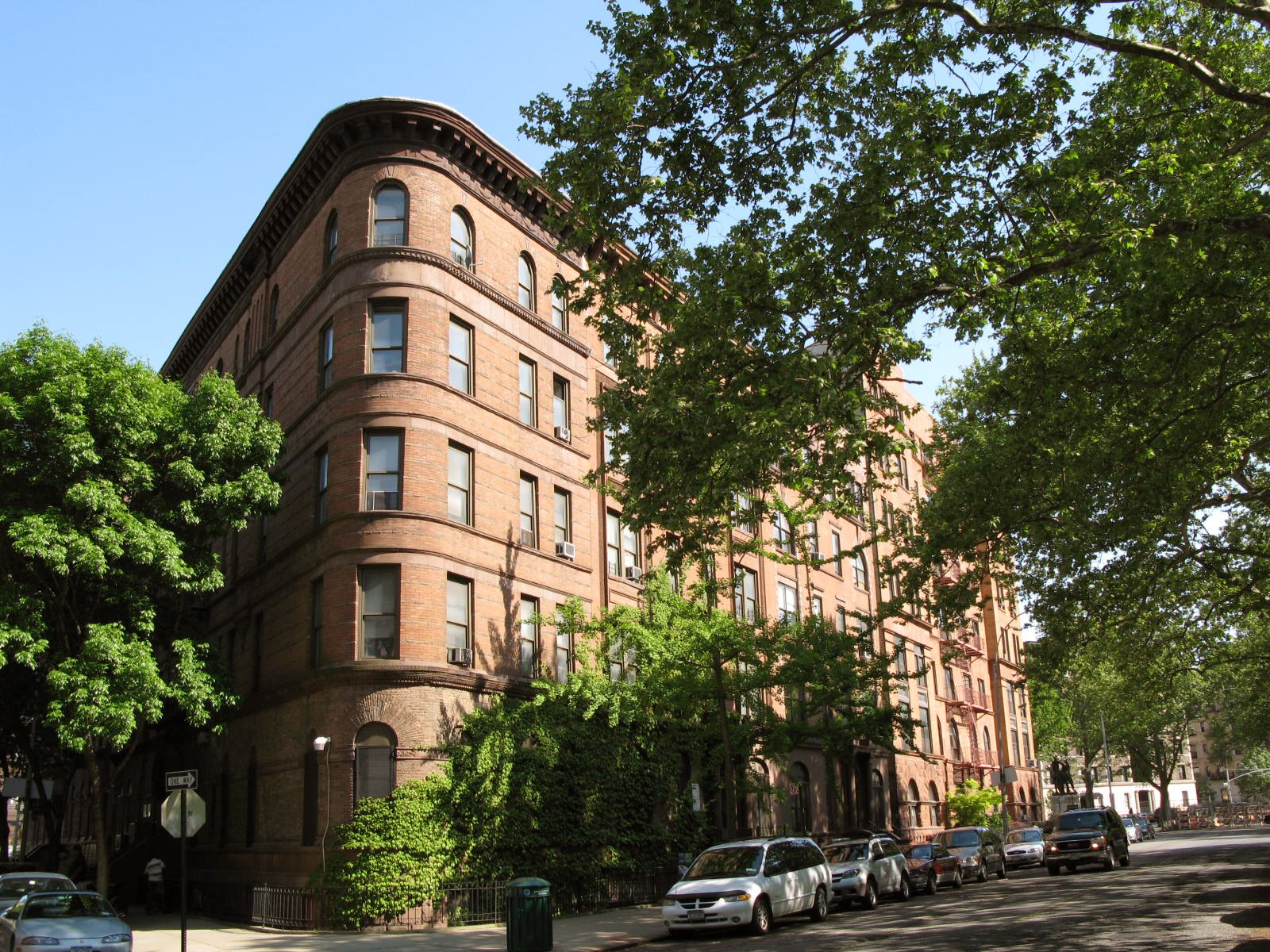
New York's Housing Stability and Tenant Protection Act of 2019 set rules that apply to most rental apartments in the state. Rent-stabilized apartments have additional rules of their own. Here is what to know before you sign and when your lease comes up for renewal.
Check the start and end dates, the monthly rent, which utilities you pay, the rules on pets, subletting and alterations, and how to request repairs. If something you agreed on is not written in the lease, ask for it to be added.
If your landlord does not plan to renew your lease, or plans to raise the rent by 5% or more, they must tell you in writing in advance:
A security deposit cannot be more than one month's rent. You can ask for an inspection with your landlord before you move in, so you agree on the apartment's condition. After you move out, the landlord has 14 days to return the deposit or give you an itemized statement of any deductions.
Put your lease end date and the notice window on your calendar. If you want to stay, start the conversation early; if you plan to move, give the notice your lease asks for.
News
The documents landlords ask for, the income guideline they use, and how to have a complete application ready before you tour.
A practical checklist for your tour, from light and water pressure to heat, noise and the commute.
When you need a guarantor, what landlords look for in one, and what to have ready.